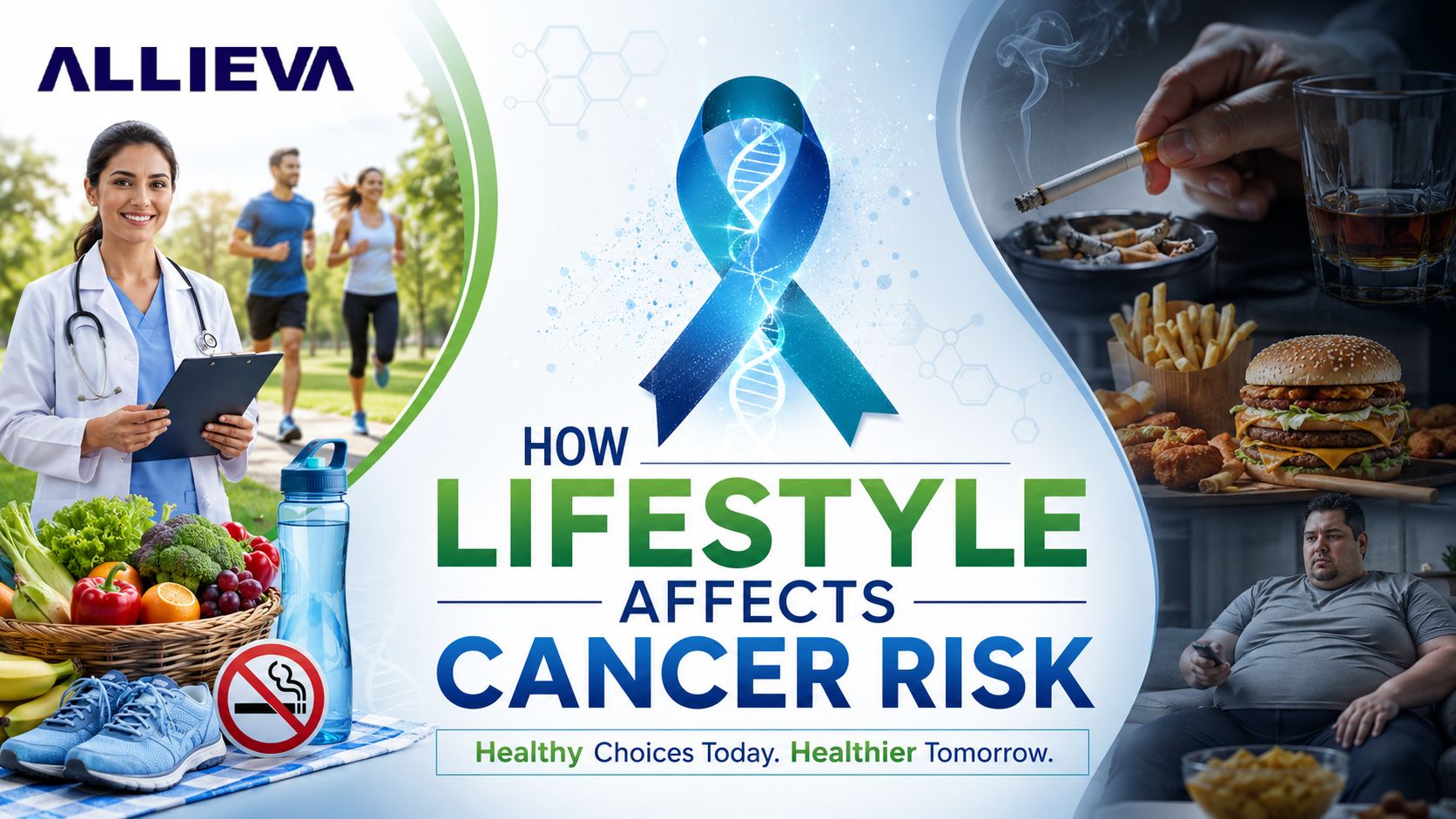
How Lifestyle Affects Cancer Risk: Healthy Choices Can Make a Difference
Cancer is one of the leading health challenges worldwide, affecting millions of people every year. While genetics and age play an important role in cancer development, research shows that many cancer cases are linked to lifestyle choices that can be improved.
The foods we eat, our level of physical activity, smoking habits, alcohol consumption, sleep quality, and stress management all influence our long-term health. Making healthier lifestyle choices cannot guarantee complete protection from cancer, but they can significantly reduce the risk of developing many common types of cancer.
In this article, we'll explore how lifestyle affects cancer risk and discover practical ways to build healthier habits for a better future.
What Is Cancer?
Cancer develops when abnormal cells grow uncontrollably and spread to surrounding tissues or other parts of the body. Normally, healthy cells grow, divide, and die in a controlled manner. When this process is disrupted due to genetic mutations or environmental factors, cancer may develop.
Many of these changes are influenced by everyday lifestyle habits, making prevention an important part of overall healthcare.
Can Lifestyle Really Affect Cancer Risk?
Yes. According to health experts, a significant percentage of cancer cases are associated with preventable risk factors such as tobacco use, unhealthy diet, obesity, excessive alcohol consumption, and physical inactivity.
Healthy daily choices help protect the body's cells, reduce chronic inflammation, strengthen the immune system, and lower exposure to harmful substances that may contribute to cancer.
Major Lifestyle Factors That Increase Cancer Risk
1. Tobacco Use
Smoking remains one of the leading causes of preventable cancer worldwide.
Tobacco products contain thousands of harmful chemicals, many of which are known carcinogens.
Smoking increases the risk of several cancers, including:
- Lung cancer
- Mouth cancer
- Throat cancer
- Esophageal cancer
- Bladder cancer
- Pancreatic cancer
- Kidney cancer
Quitting smoking is one of the most effective steps you can take to reduce cancer risk.
2. Poor Diet
A diet high in processed foods, sugary drinks, red meat, and unhealthy fats may contribute to obesity and chronic inflammation.
Instead, focus on eating:
- Fresh fruits
- Green leafy vegetables
- Whole grains
- Beans and legumes
- Nuts and seeds
- Lean proteins
A balanced diet provides antioxidants, vitamins, minerals, and fiber that support healthy cells.
3. Lack of Physical Activity
Regular exercise offers numerous health benefits beyond weight management.
Physical activity helps:
- Maintain a healthy weight
- Improve immunity
- Reduce inflammation
- Balance hormone levels
- Improve digestion
Adults should aim for at least 150 minutes of moderate physical activity each week.
4. Obesity
Being overweight or obese increases the risk of several cancers, including:
- Breast cancer
- Colorectal cancer
- Endometrial cancer
- Liver cancer
- Kidney cancer
- Pancreatic cancer
Maintaining a healthy body weight is an important part of cancer prevention.
5. Excessive Alcohol Consumption
Drinking alcohol regularly increases the risk of cancers affecting the:
- Liver
- Mouth
- Throat
- Breast
- Esophagus
- Colon
Reducing alcohol intake supports overall health and lowers cancer risk.
6. Poor Sleep
Quality sleep allows the body to repair damaged cells and maintain immune function.
Adults generally benefit from 7–9 hours of sleep per night.
Long-term sleep deprivation may negatively affect overall health and increase the risk of chronic diseases.
7. Chronic Stress
Although stress alone does not directly cause cancer, long-term stress may contribute to unhealthy behaviors such as smoking, overeating, lack of exercise, and poor sleep.
Managing stress supports both physical and mental well-being.
Healthy stress-management techniques include:
- Meditation
- Yoga
- Walking
- Reading
- Spending time with family
- Relaxation exercises
Healthy Lifestyle Habits That May Help Reduce Cancer Risk
Small daily improvements can have a lasting impact on your health.
Eat a Balanced Diet
Choose colorful fruits and vegetables, whole grains, healthy proteins, and foods rich in fiber.
Stay Physically Active
Exercise most days of the week through walking, cycling, swimming, or other enjoyable activities.
Avoid Tobacco
Stopping smoking is one of the most powerful ways to improve your health.
Limit Alcohol
If you drink alcohol, do so in moderation or consider avoiding it altogether.
Protect Your Skin
Use sunscreen, wear protective clothing, and avoid excessive sun exposure.
Get Vaccinated
Vaccinations against HPV and Hepatitis B can help reduce the risk of certain cancers.
Maintain a Healthy Weight
Healthy eating and regular exercise work together to support weight management.
Attend Regular Health Check-Ups
Routine screenings help detect cancer early, when treatment is often more effective.
Early Detection Is Just as Important
Even with a healthy lifestyle, cancer can still develop.
Knowing the early warning signs and attending recommended screenings are essential.
Early diagnosis often means:
- Better treatment success
- More treatment options
- Lower treatment costs
- Improved quality of life
- Higher survival rates
The Role of Modern Oncology Medicines
Advances in medical science have transformed cancer treatment through innovative therapies that target cancer more effectively while improving patient outcomes.
Treatment options may include:
- Surgery
- Chemotherapy
- Radiation Therapy
- Targeted Therapy
- Immunotherapy
- Hormone Therapy
The appropriate treatment depends on the type and stage of cancer, along with the patient's overall health.
Allieva Pharma's Commitment to Oncology Care
At Allieva Pharma, we are committed to supporting healthcare professionals and patients with high-quality oncology medicines manufactured to international quality standards.
Our oncology portfolio includes:
PACLIEVA (Paclitaxel Injection)
Used in the treatment of breast cancer, ovarian cancer, lung cancer, and Kaposi sarcoma.
REGOLIEVA (Regorafenib Tablets)
Indicated for metastatic colorectal cancer, gastrointestinal stromal tumors (GIST), and hepatocellular carcinoma.
ENZALIEVA (Enzalutamide Tablets)
Used in the treatment of advanced prostate cancer.
CARFLIEVA (Carfilzomib Injection)
Prescribed for the treatment of multiple myeloma.
Through continuous innovation and a commitment to quality, Allieva Pharma contributes to improving cancer care and supporting better treatment outcomes worldwide.
Frequently Asked Questions (FAQs)
Can lifestyle changes completely prevent cancer?
No. Lifestyle changes cannot completely eliminate cancer risk, but they can significantly reduce the likelihood of developing many common cancers.
What lifestyle habit has the biggest impact on cancer risk?
Avoiding tobacco is one of the most effective ways to reduce the risk of multiple types of cancer.
Does regular exercise help prevent cancer?
Yes. Regular physical activity supports weight management, improves immune function, and is associated with a lower risk of several cancers.
Can healthy eating reduce cancer risk?
A balanced diet rich in fruits, vegetables, whole grains, and fiber supports overall health and may help lower cancer risk.
Should healthy people still undergo cancer screening?
Yes. Routine screenings can detect certain cancers before symptoms appear, increasing the chances of successful treatment.
Conclusion
Your daily habits have a significant influence on your long-term health. While not all cancers can be prevented, adopting a healthy lifestyle can reduce the risk of many common cancers and improve overall well-being.
Simple choices—such as eating nutritious foods, staying active, avoiding tobacco, limiting alcohol, maintaining a healthy weight, getting enough sleep, and attending regular health screenings—can make a meaningful difference over time.
At Allieva Pharma, we are dedicated to advancing oncology care through high-quality medicines and supporting healthcare professionals in improving the lives of cancer patients around the world.